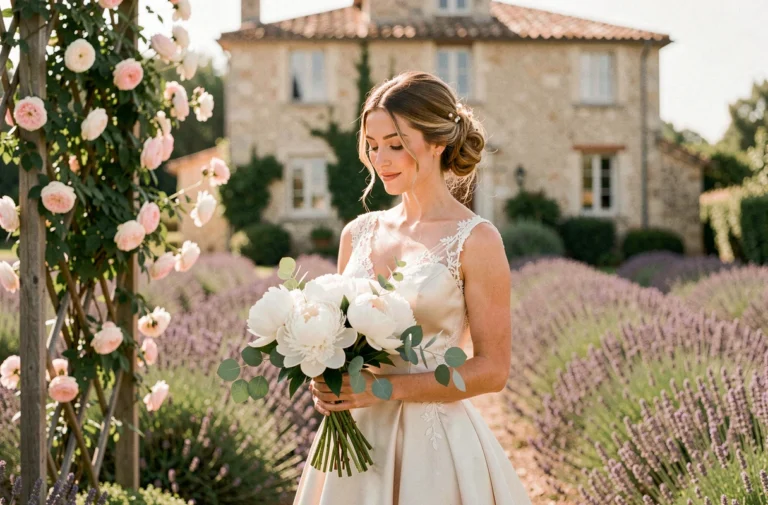
A choice as simple as which hand to decorate can completely change the meaning of a henna tattoo. From one continent to another, from one home to another, tradition sometimes dictates the rule, practice influences the meaning, and each design etched on the skin tells much more than just an aesthetic story.
Henna on the hands: between art, tradition, and symbolism
Drawing a henna design on the hand is far from trivial. Behind each stroke lies a transmission of age-old habits, a family or community heritage. The temporary tattoo with natural henna offers a thousand faces: it adorns the skin with delicate and temporary ornaments, brings people together during celebrations, and expresses both the creativity and emotions of those who wear it. For some, it is primarily a matter of lineage; for others, it is the promise of an artistic moment or a return to one’s roots.
Taking the time to apply henna on the hands is much more than just drawing an elegant pattern. Behind each design lies a message, and behind each pattern is a story passed down or reinvented. The mehendi from India sometimes symbolizes love or fertility; elsewhere, the choice of pattern may refer to luck, protection, or even prosperity. The chosen hand is never trivial: the right hand conveys boldness, encounters, and exchange. The left hand, intentionally more intimate, keeps the secret of a prayer or a thought that is not shown to everyone.
The art of henna tattooing adapts to everyone: each hand becomes a unique canvas, the curve and shape of the design follow the lines, and the color of the natural henna or natural coloring henna varies with the artist’s expertise. The temporary henna tattoo requires rigor and delicacy: preparing a paste, choosing the shape, designating the hand—each step matters and is learned. Deciding on which hand to place the design reconnects one with ancestral know-how, rediscovering gestures that carry meaning and history, and affirming an identity, if only for the time of an ephemeral ornament.
Right hand or left hand: a matter of customs and beliefs
Choosing the right hand or preferring the left hand is never a matter of chance. Depending on the family, region, or culture, traditions vary and give full dimension to the choice. From the Maghreb to India, Pakistan, or elsewhere, the right hand often remains the favorite. It represents sharing, action, luck, or prosperity: receiving a henna tattoo on this hand expresses the joy of celebrations or accompanies significant life events.
However, the left hand is not forgotten. It willingly welcomes more subtle designs, sometimes dedicated to the intimate. It is chosen to affirm spirituality, a desire for protection, or to mark a discreet devotion, kept away from the spotlight and prying eyes.
According to tradition, the distribution of styles between the two hands is clarified as follows:
- The right hand is favored to highlight celebration, exchange, and blessing.
- The left hand often receives decorations with more spiritual or mysterious connotations.
But ultimately, each choice is nourished by encounters, evolves with each person’s personality, childhood influences, or preferences that assert themselves. Henna tattoos tell individual journeys, display the diversity of cultures, and create a patchwork of emotions and beliefs on the skin.
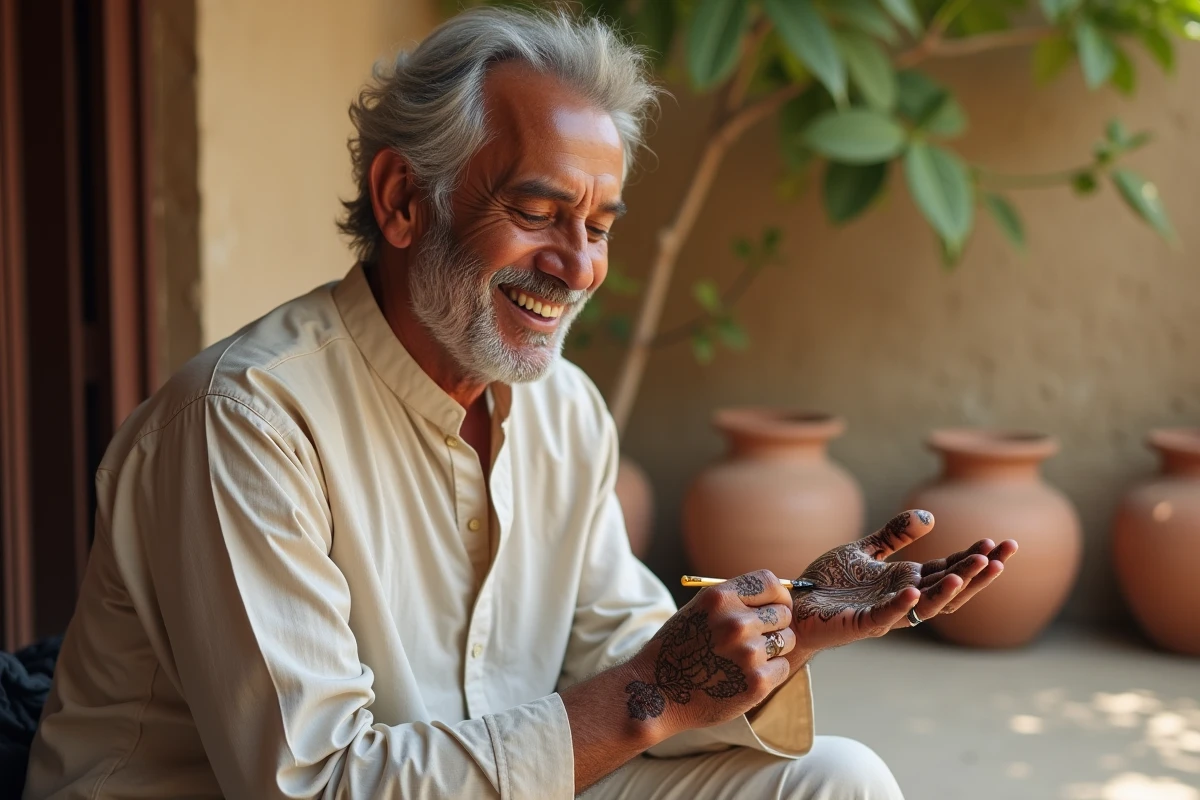
Tips for a successful application and long-lasting henna tattoo
Before starting, take the time to properly prepare the skin. The hands should be clean, perfectly dry, with no trace of cream or greasy substances: this facilitates the adherence of natural henna and enhances the final color. Prefer a fresh paste: not too liquid, not too thick, just soft enough to draw even the finest swirls.
The tool is very important: a fine-tipped cone, syringe, or dedicated pen—the choice affects the precision of the design. To increase the chances of success, keep these practical gestures in mind:
- Keep your hand still during application to avoid disturbing the pattern.
- Let the henna paste dry for at least an hour, longer if you want an intense color.
The next phase, that of drying, strongly influences the result. To darken the color, apply a bit of lemon juice and sugar with a cotton ball while the paste is still wet: this trick sets the color. It is also useful to wrap the hand in a plastic bag or a thin cloth to retain heat, optimizing the process.
After removing the paste, do not expose the skin to water for the first few hours. A temporary henna tattoo thus protected reveals all its brilliance. To maintain the clarity and longevity of the design, lightly moisturize the skin with a vegetable oil, but without excess to avoid blurring the lines. It is better to avoid hot water and abrasive products: caring for your tattoo then becomes a precious ritual, ensuring the longevity of the chosen pattern.
The mark of the henna will fade, but the pleasure of the gesture remains. A design on the hand is a moment of brilliance and memory, which resists the daily grind for a time and continues to matter long after the color has faded.