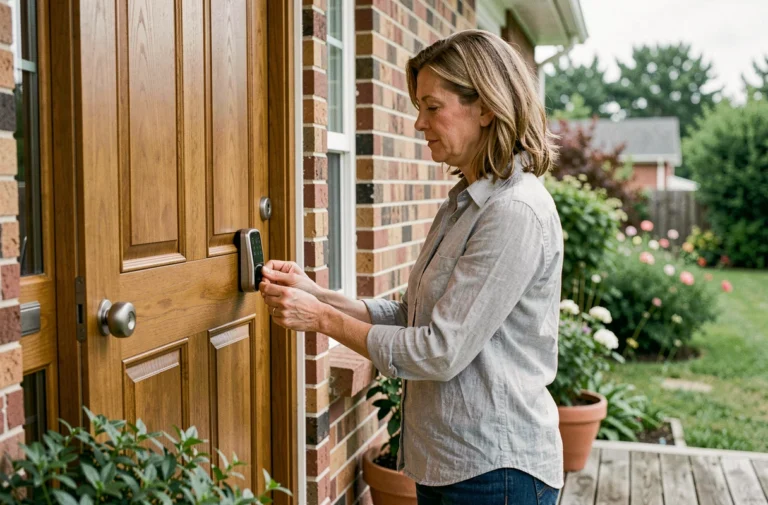
In 2023, nearly 80% of French people use a smartphone daily, whereas this technology did not exist fifteen years ago. Telemedicine, initially reserved for exceptional situations, has become widespread on a large scale in less than three years.
Actions that once seemed immutable and repetitive are now orchestrated by algorithms. At the same time, new professions are emerging while others fade away silently. This acceleration profoundly reshapes the boundaries between work, private life, and social connections.
Our daily lives in the age of technology: what concrete changes?
At every moment, technology influences our choices, actions, and interactions. It is impossible today to ignore the impact of digital innovations: they transform health management, access to knowledge, communication, and even the way we conceive of leisure time. Mobile applications and connected devices punctuate our routines: tracking sleep, receiving reminders for medical appointments, controlling expenses, connecting with loved ones. Smartphones and computers now form the heart of an ecosystem where everything converges, leaving long queues and tedious processes of the past far behind.
To better understand how these tools disrupt the flow of information and the social fabric, one only needs to look at what is happening on Facebook, Twitter, or Instagram. Social networks catalyze the emergence of communities, amplify citizen movements, and promote large-scale mutual aid. Online training, MOOCs, or specialized platforms break down geographical and social barriers: everyone can acquire new skills at their own pace and according to their needs.
Telemedicine, once marginal, now allows people to consult a doctor in a matter of minutes, no matter where they live. Immersive environments and the cloud open access to modes of collaboration and learning that would not have emerged without this dynamic. The data generated and shared raises questions about their use, but they also help shape services that are more tailored to user expectations and make our environments more responsive.
If one seeks to assess the scope of these transformations, the Avenue du Net page offers precise insights into how technology infiltrates our daily lives and disrupts our habits. The essence lies not only in technical prowess but in the practices and human relationships that evolve profoundly, creating a renewed landscape filled with new challenges and a thirst for modernity.
Can we really talk about progress for employment, the economy, and human relationships?
The emergence of technology in the workplace disrupts the rules of the game. Automation, artificial intelligence, collaborative tools: in companies, tasks evolve, new profiles emerge, and some functions fade away. Blockchain, drones in industry, and the rise of electric cars testify to this dynamic of innovation that permeates every sector.
Here are some areas where the impact is particularly felt:
- Commerce and services benefit from big data analysis to accelerate decision-making and offer a customized customer experience.
- Research and development intensifies, driven by a strong demand for digital skills.
- Professional training platforms facilitate skill development, helping workers reinvent themselves to accompany the digital transition.
The ecological transition is part of this dynamic, driven by the development of renewable energies: solar panels, wind turbines, smart solutions for managing energy consumption. This transformation also encourages social innovation by placing citizens and collectives at the center of initiatives, promoting cooperation and the emergence of support networks. Today, technological innovation is no longer just about productivity or yield: it enriches quality of life at work, human relationships, civic engagement, and collective dynamics.
Between promises and challenges, how can we rethink our relationship with technology?
The digital divide cannot be closed with a mere snap of the fingers. In France, nearly 13 million people still face difficulties accessing or using technology, according to CNRS. On one side, connected users multiply exchanges on social networks; on the other, some remain on the sidelines due to lack of skills or resources.
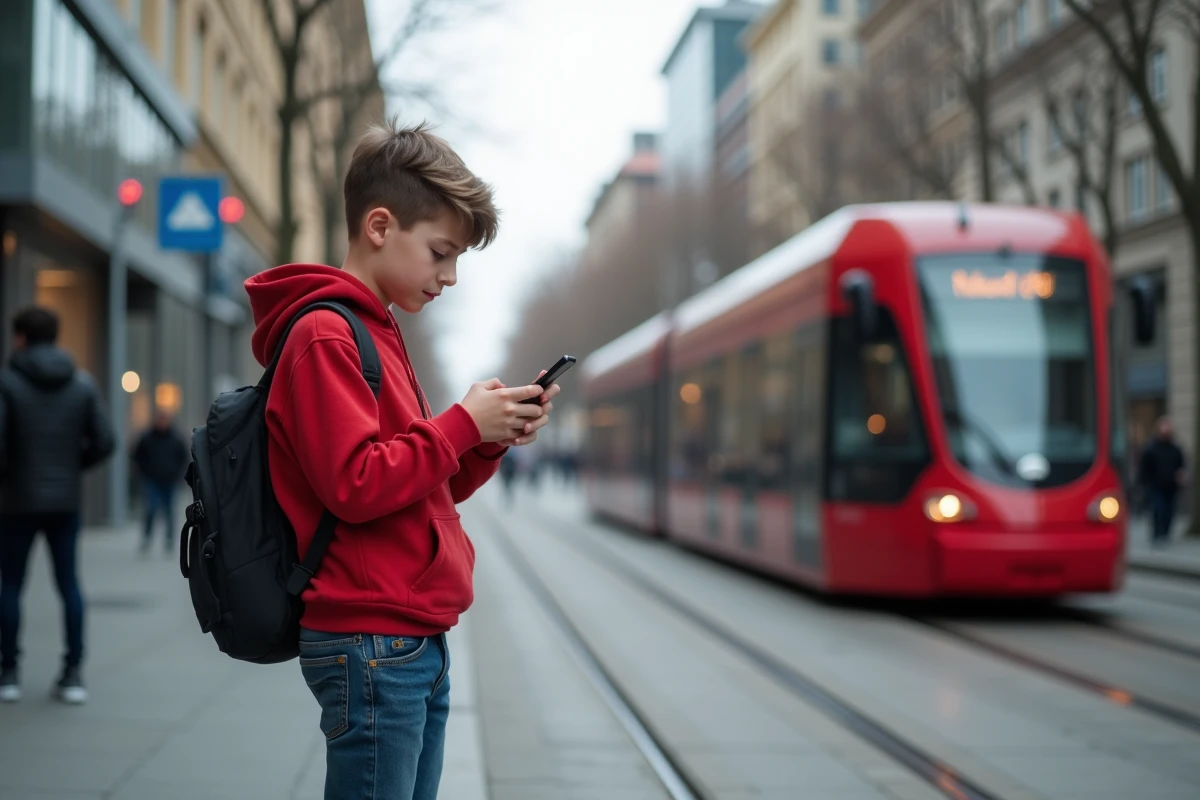
While digital networks create connections, they can also isolate. Mental health can sometimes be affected: cognitive fatigue, continuous exposure to anxiety-inducing content, feelings of isolation. The effects of this hyperconnectivity are felt, particularly among the younger and vulnerable populations.
The environment also pays the price for this transformation. Behind our screens, energy-hungry servers and devices contribute to a constant rise in greenhouse gas emissions: digital technology already accounts for nearly 4% of the global total, a figure that rises each year.
Another darker aspect: data security. Leaks, hacks, non-consensual exploitation of personal information… Citizens must navigate a precarious balance between innovation, protection, and digital well-being.
In light of these challenges, it becomes necessary to question the role of technology in our lives. Making each adoption a thoughtful, collective, and inclusive choice: that is the challenge. Only shared vigilance and renewed democratic debate will allow these innovations to remain a driver of empowerment rather than a factor of exclusion. The technological future will not write itself: it will be what we decide to make of it, together.