
French professional sports are undergoing a period of regulatory, technological, and economic changes that are reshaping the contours of each discipline. Between new rules of the game, strengthened legal frameworks, and the emergence of artificial intelligence in club management, current trends go far beyond just the results on the field.
Artificial Intelligence and Sports Clubs: The Legal Obligations That Apply
Clubs and federations that use AI tools for recruitment, performance analysis, or medical monitoring can no longer simply exploit these technologies without a framework. The GDPR fully applies to data collected on athletes, and the initial obligations arising from the European AI Act add an additional layer of governance.
Specifically, a club that uses an algorithm to assess a player’s potential must document the logic of the tool, ensure transparency towards the athlete concerned, and provide a mechanism for human appeal. These requirements affect both the recruitment departments of major Ligue 1 clubs and the federations that centralize performance data on a national scale.
This regulatory constraint comes at a time when the adoption of AI in sports is accelerating. Automated scouting tools, biometric sensors worn during training, and predictive injury models generate considerable volumes of personal data. Compliance is no longer optional; it conditions the very use of these technologies.
For those who wish to follow these developments on a daily basis, it is possible to learn more about Le Monde du Sport in order to cross-reference regulatory and sports angles.
Rugby in France: The Shift to Eight Substitutes and Its Tactical Consequences

French rugby is accelerating the adaptation of its rules to the international model. Among the significant changes this season, the return to eight substitutes in Top 14 profoundly alters squad management and match strategy.
The stated goal is to increase effective playing time and reduce interruptions. With an additional player on the bench, coaches have a wider rotation margin, which enhances physical intensity towards the end of the match. Forwards, in particular, can be substituted earlier without sacrificing bench depth for the backline.
This evolution has direct repercussions on squad composition:
- Clubs must expand their training groups to include versatile profiles capable of covering multiple positions from the bench.
- The time allowed for kickers to take their attempts is subject to new guidelines aimed at speeding up the pace of matches.
- The management of substitutions becomes a more refined tactical lever, comparable to practices already in place in international competitions.
This alignment with World Rugby standards places Top 14 in a logic of consistency with test matches and the World Cup, a point that directly concerns the preparation of the French team.
Sports Integrity and Suspicious Betting: Surveillance Extending Beyond Football
The International Betting Integrity Association has reported a rise in alerts for suspicious betting between 2024 and 2025, and the phenomenon is not limited to football. Tennis, basketball, combat sports: several disciplines are affected by manipulation patterns identified through market data cross-referencing.
The detection mechanism relies on analyzing abnormal odds fluctuations before or during an event. When a market movement does not correspond to any public information (injury, weather, team composition), an alert is triggered and sent to federations and relevant authorities.
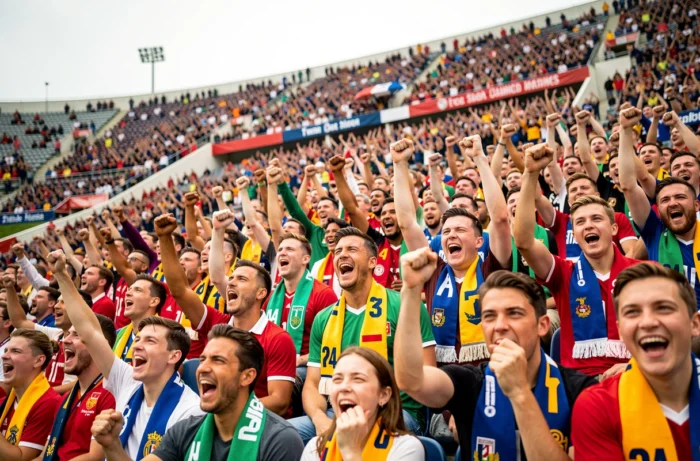
This cooperation between betting operators, federations, and national regulators represents a turning point in sports governance. The debate is shifting from the field to the monitoring of financial flows. Professional leagues are now integrating dedicated integrity units, and athletes are subject to mandatory training on the risks associated with betting.
Sports Budget in France and Legislative Framework: What Changes in 2026
The French National Olympic and Sports Committee (CNOSF) has publicly expressed its concerns over a contained decrease in the budget allocated to sports in the finance bill. Several points of vigilance have been raised, particularly regarding the funding of federations and support for local structures that ensure community sports practice.
At the same time, the legislative framework is tightening. Recent regulations strengthen the control mechanisms for leagues and sports companies, with an expansion of Arcom’s powers against the piracy of live broadcasts. This anti-piracy aspect addresses a major economic issue for broadcasters and championships that depend on television rights.
The adopted measures cover several areas:
- Increased financial control of professional sports companies, with enhanced reporting obligations.
- Expanded legal tools for Arcom, allowing for the rapid blocking of sites illegally broadcasting Ligue 1 matches, Nations League, or European championships.
- Attention to the governance of federations, following the requirements set after the Paris Olympic Games.
These adjustments outline a more regulated French sport in institutional terms, where financial transparency and the protection of broadcasting rights become structural conditions of the economic model. The question of the budget remains a political arbitration that conditions the federations’ ability to maintain their detection and training programs across the country.