90%: that’s the figure prominently displayed on the brochures of certain art schools. But behind this flattering employment rate, a closer look reveals a game of expansive definitions, where “artistic profession” sometimes rhymes with cultural animation or gallery sales. Labels compete, rankings pile up, but who really knows their origin? Where the official color mixes with homemade creation, sorting becomes essential.
The polished presentation doesn’t tell the whole story. The real cost of studies often remains unspoken, diplomas do not always receive the expected recognition, and the share of external contributors gets diluted in the overall figures. Between the lines, there are plenty of clues: to those who know how to read, the brochure reveals as much as it conceals, and the gap between promise and reality is measured by the vigilance of the reader.
What an art school brochure really reveals: promises, omissions, and realities
Opening an art school brochure, everything is a matter of choice: the language, the abundance of images, the absence of details on certain topics. The superlatives about the artistic signature, the appeal to the authenticity of the work, the emphasis on a certificate of authenticity from the very first year: each line shapes a narrative, calibrated to seduce. The question of the signature on canvas takes various forms. Sometimes, the brochure emphasizes the artist’s name or the construction of a strong artistic style, but omits the fact that the signature, at its core, is not forged on demand. It arises from a personal journey, from working through the impostor syndrome, from the choice to use one’s full name or a pseudonym, far beyond the school framework.
Another rarely detailed point: copyright. Some schools mention copying or photographic reproduction, without reminding that a copy must always credit the original creator, and that placing one’s signature on a derivative work commits the student. The provenance or certificate of authenticity sometimes appears in small print, lost in administrative jargon, far from market reality.
To analyze an art school brochure critically, one must confront the discourse with concrete facts. Does the brochure specify who teaches? Does it clearly distinguish between active artists, technicians, or theorists? What balance is there between practice and theory, what support is offered towards professional life? Are the concepts of administrative signature and artistic signature conflated? These details say a lot about the institution’s vision and its understanding of the artist’s profession.
The highlighted “personalized path” sometimes gives way to a standardization of the curriculum. The promised freedom quickly collides with imposed formats, mandatory mediums, and strict supervision. From the very first reading, it is about distinguishing what belongs to sales discourse and what is based on a real experience of the artistic world.
Questions to ask to decode arguments and spot traps
In front of an appealing art school brochure, every promise deserves to be scrutinized. When it comes to work authenticity, certificate of authenticity, or pedagogy focused on artistic signature, is it a real commitment to artist training, or just a marketing argument?
Here are the main questions to keep in mind while reading:
- Does the training address copying works of art? Pay attention to how the issue of copyright is treated: can a signature on canvas appear on a reproduction, and under what rules?
- Does the curriculum include practical learning about managing work provenance and associated documents? Does the brochure mention critical analysis, authentication, or issuing certificates?
- Is the theme of forgery in art or expertise developed? Does the institution discuss artistic expertise methods (examination by experts, scientific analysis of works via UV, infrared, X-rays, thermoluminescence)?
Take the time to verify if the training really prepares for autonomy. Is the distinction between administrative signature and artistic signature explained? Does the management of the certificate of authenticity involve practical workshops? Too often, vague discourse masks the absence of real teaching on authentication or protection of works.
It is also worth checking if the school offers modules on combating forgery, recognition in the secondary market, or the involvement of an expert during transactions. These aspects, rarely highlighted, make the difference between a superficial experience and serious preparation for the realities of the sector.
Compare, verify, investigate: essential steps before committing
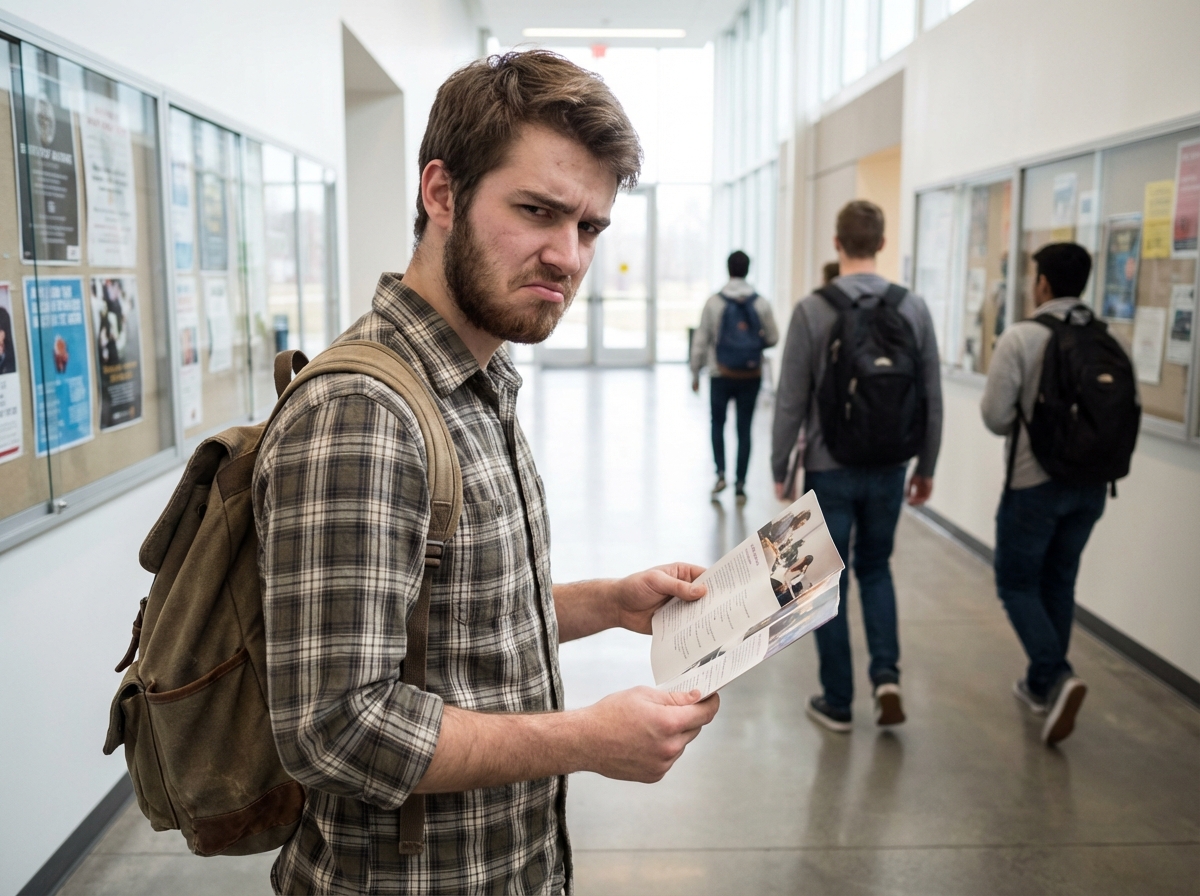
Before signing anything, confront the art school brochure with the facts. Glossy paper should never overshadow the need for a precise examination. Multiply comparisons, closely examine the vocabulary: recurring mentions of certificate of authenticity, insistence on work provenance or serious scientific expertise (UV analyses, X-rays, thermoluminescence) are signals, but it is the transparency about methods and contributors that really matters.
Consider these concrete checks before any commitment:
- Are recognized professionals involved? Does an expert participate in teaching authentication or in drafting certificates?
- Can you consult examples of certificates of authenticity? Do they mention provenance, medium, year, dimensions, artist’s name? Is traceability ensured?
- What about the tools used? Are scientific analyses (UV, X-rays, microscope) actually practiced or do they simply serve as a marketing argument?
Also look at the connections with artist associations, the presence of modules on copyright, or support in responding to requests from collectors and owners. A training that goes as far as verifying a work, drafting a certificate, and managing provenance demonstrates a serious commitment. Gather opinions, read feedback from former students, compare versions: every detail counts to avoid illusions. A clear-sighted view today is the promise of choosing an artistic path aligned with one’s reality, not with a marketing mirage.