
One hundred thousand. That’s the number of abandoned pets each year in France, according to protection associations. Despite having enshrined in the 2015 law that animals are living beings endowed with sensitivity, reality persists. Abandonments show no signs of weakening, and behind these figures lie as many silent tragedies as broken lives.
Of course, losing their family is a upheaval for an animal, but the story doesn’t end there. Abandonment leaves deep physical and psychological scars on the affected dog, cat, or other pet. And for the associations, each new arrival tests an already strained system, forcing them to do more with less, while needs are skyrocketing.
Why are so many animals abandoned each year?
Abandoning an animal is not inevitable. It results from a chain of factors that reveal both our collective shortcomings and our individual contradictions. Every summer, shelters are overwhelmed with arrivals: dogs, cats, rodents, all victims of abrupt decisions. The peak of vacation departures undoubtedly plays a role, but it’s just one of many driving forces behind the problem.
The reasons are numerous. Financial difficulties, job loss, an unexpected move, or a divorce destabilize entire families, and too often, the animal becomes the adjustment variable. Sometimes, a sudden allergy, an illness that complicates cohabitation, or an unexpected litter due to lack of sterilization hastens the separation.
But anticipation is lacking. Many commit without measuring their companion’s needs. A dog overflowing with energy, a cat that attacks the curtains, an aging or sick animal: the reasons cited are legion. Behind so-called “problematic” behaviors, there is often a lack of training or a failure to communicate with the veterinarian.
Urbanization, animal overpopulation, and a lack of information about responsible adoption continue to fuel this vicious cycle. Abandonment figures are rising, reminding us of the urgency to act. The consequences of animal abandonment extend far beyond the private sphere. They impact both animal health, the balance of shelters, and ultimately, society as a whole.
Invisible suffering: what abandoned animals really experience
Behind the word “abandonment” lies the raw reality of a violent separation. No matter the species: dog, cat, or other pet, all feel the rupture. Left to their own devices, they endure stress that can be unbearable. Who hasn’t seen the lost look of a dog hastily tied up at a rest area, or heard the hoarse meow of a cat hiding under a car? The trauma seeps in, lasting and profound.
Once at the pound or shelter, distress does not vanish. The environment changes completely: unfamiliar noises, foreign smells, hurried humans, impersonal gestures. Some animals sink into depression, refuse to eat, and injure themselves. Others, seemingly more robust, risk everything outside: accidents, fights, diseases.
Here are the main visible and less visible consequences of these abandonments:
- Saturation of shelters: every summer, reception centers overflow. It becomes impossible to give each animal the attention it deserves.
- Increased risks: rise in euthanasias, stray animals in the streets, diseases circulating that worry both veterinarians and residents.
Abuse is not just about raising a hand against an animal. Abandoning is also inflicting a silent suffering. The damage does not stop at the individual: it extends from the distress of an animal to the saturation of shelters, ultimately affecting the entire social fabric.
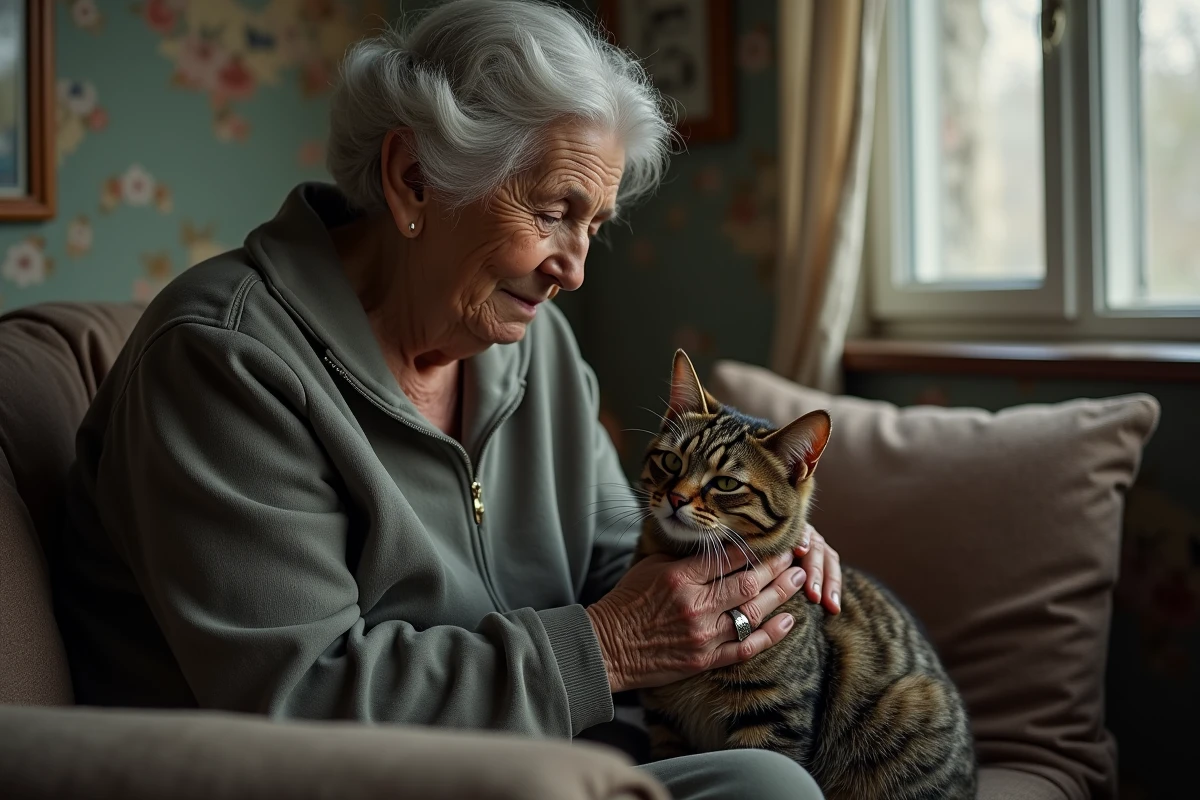
Concrete solutions to prevent abandonment and protect animal welfare
Animal welfare is not an abstract concept; it is rooted in collective and individual choices. To stem the tide of abandonments, France has strengthened its arsenal: prevention, regulation, sanctions. First, the law. Article L214-1 of the rural code enshrines animal sensitivity, and Article 521-1 of the penal code provides for up to three years in prison and a fine of 45,000 euros for abandonment. Sterilization prevents the birth of unwanted litters, often the source of massive abandonments.
Adopting is no longer taken lightly: a certificate of commitment and knowledge must now be presented, ensuring prior reflection. Identification, through microchip or tattoo, allows for the recovery of lost animals and limits anonymous disappearances.
To address this situation, several initiatives and measures are being deployed:
- Awareness campaigns: global days, solidarity marches, mobilization of associations and veterinarians to remind everyone of the collective stakes.
- Foster families: they open their homes to distressed animals, alleviating shelters and reducing mistreatment.
- Observatory for the protection of domestic carnivores (OCAD): it collects and analyzes data to guide public policies towards greater coherence.
Adopting means committing for the long term. Reflecting on one’s lifestyle, capabilities, and priorities. Veterinarians are not just caregivers: they guide, inform, and prevent. Society as a whole bears a share of responsibility, at the intersection of law, ethics, and coexistence.
In the face of abandonment, the only sustainable response remains commitment. For every animal rescued, for every family educated, it’s a victory over indifference. And what if, tomorrow, compassion became the norm rather than the exception?